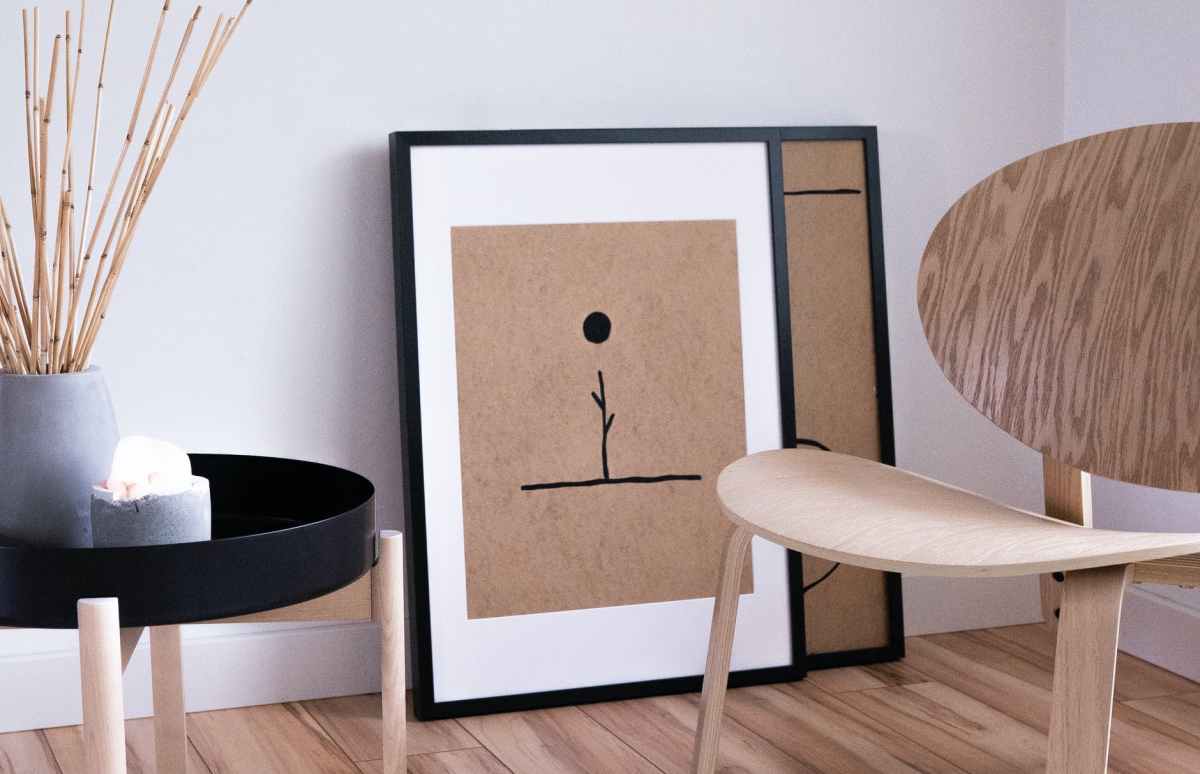
The curved furniture trend has been on the upswing since 2019, and it seems to still have some serious legs carrying it forward. But curved furniture has also been a cyclical favorite for centuries. And the reasons behind the aesthetic’s intermittent popularity are actually a perfect explanation for why we’re turning to the trend now.
Let’s take a look at when and how swoopy shapes have manifested in furniture throughout the ages. Then we’ll examine just what makes the curves of the early 21st century such a logical and predictable choice for our times.
Furniture and curves go way back
Any designer fond of Greek classical and neo-classical styles knows that curved furniture has a long history. We see it all the way back in the 5th century BC with the development of the klismos.
The klismos was a lightweight, delicate-looking chair that featured a rounded, concave backrest and allowed for a more relaxed sitting posture. The form saw a revival in the early 19th century, and contemporary versions have been available ever since.
China also embraced swooping shapes in antiquity. Consider the iconic 14th century horseshoe back armchairs. So called because the arm rail and top of the backrest were shaped in a continuous, horseshoe-like U, this form is emblematic of the curvy ideal.
In spite of their age, the principals driving these earliest examples of the curve still ring true — comfort, naturalistic design and elegance.
Getting to the modern blobs and swoops
Building on what ancient societies started, modern aesthetic trends have re-worked the curve to suit current sensibilities time and again.
Take, for example, the Arts and Crafts movement that swept across the globe in the final decades of the 19th century and into the early part of the 20th century. Craftspeople in this movement frequently used clean, curved lines in their designs to reinforce social critique of industrialism. The organic shapes spoke to the value of handmade goods, as well as a romanticized past where humanity was better connected with nature.
We can also look at Bohemian styles. First emerging in the Victorian era, Bohemian forms continue to be popular today. Many designs used flexible rattan and wicker to create arched chair backs and circular bases. The curves were both a practical element — adding strength to the designs — and a visual tie-in to nature and the natural materials being used.
Modern designs from the 1930s to the 1960s are probably the closest inspiration for the asymmetrical and Avant Garde blobby furniture shapes we’re seeing today. While the mid-century look is often thought to be all about straight edges and crisp angles, innovative curves were also emblematic of the times. The egg chair is an iconic example of this.
Curves of the 21st century
These days, the curved furniture trend cuts across every style, material and color imaginable. Pastel pink seashell-style curved sofas? They’re out there. Pure white upholstered chairs that make you look like you’re sitting in an egg cup? Yeah, you can find those too. Oval benches with rounded sides, blob-shaped artwork, perfectly circular shelving units? If you can dream up a curve, it’s probably for sale as a piece of furniture right this minute.
Biophilia is a major factor driving the current movement. Incorporating organic and natural elements into our interiors is both trendy and creating a much-craved reprieve from an increasingly technological world and dire climate predictions.
There’s also the comfort factor to consider. Many curved pieces are literal zero-angle items. These completely rounded and upholstered shapes are naturally cozy, feeding a pandemic-rattled consumer’s longing for comfort and embrace.
Essentially, the reasons behind the current demand for curved furniture are the same reasons as always. When, as a society, we find ourselves craving nature and comfort, we round things off. And for the foreseeable future, as we continue to grapple with challenging global conditions, there’s no reason to believe this trend is going anywhere.
 L.E.H. Writes